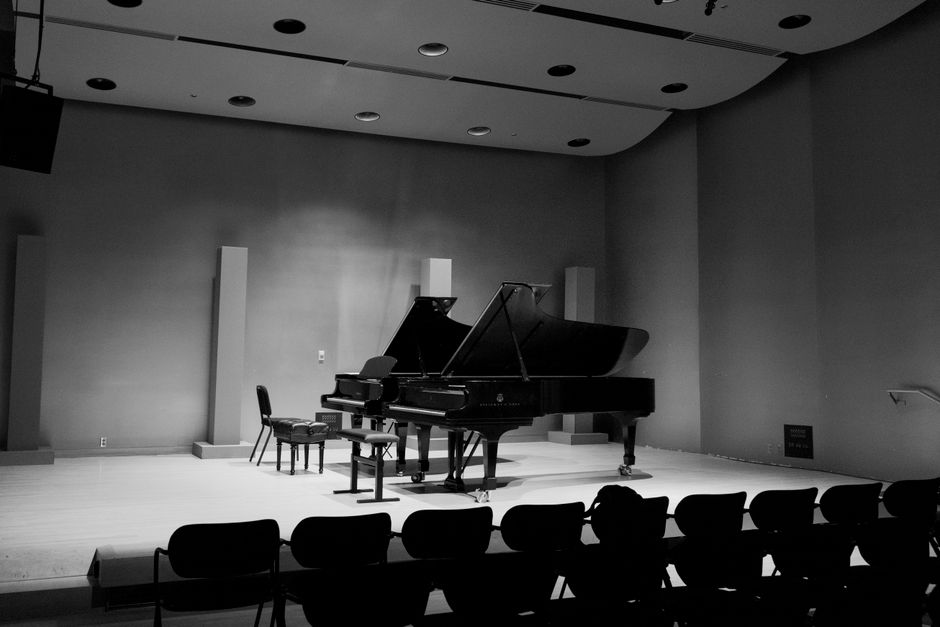
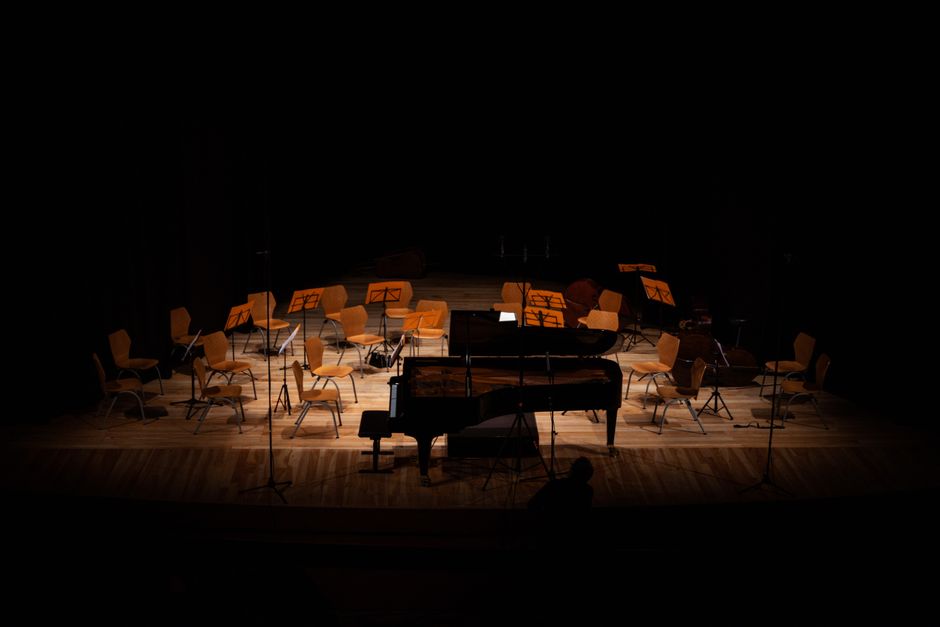
Fairfield Halls piano removals specialists Croydon: a practical guide for safe, careful moving
If you need Fairfield Halls piano removals specialists Croydon, you are probably dealing with more than just a heavy instrument. You may be planning a performance, clearing a venue, managing a concert schedule, or moving a piano through a building where stairs, tight corridors, loading restrictions, and timing all matter. Truth be told, piano moving is one of those jobs that looks straightforward right up until the moment you try to turn a grand through a narrow doorway. Then everyone gets quiet.
This guide explains what specialist piano removals involve, why they matter in a venue setting like Fairfield Halls, how the process usually works, and what to look for before you book. It also covers common mistakes, equipment, compliance, and practical decision-making so you can approach the move with confidence rather than crossed fingers.
Table of Contents
- Why Fairfield Halls piano removals specialists Croydon Matters
- How Fairfield Halls piano removals specialists Croydon Works
- Key Benefits and Practical Advantages
- Who This Is For and When It Makes Sense
- Step-by-Step Guidance
- Expert Tips for Better Results
- Common Mistakes to Avoid
- Tools, Resources and Recommendations
- Law, Compliance, Standards, or Best Practice
- Options, Methods, or Comparison Table
- Case Study or Real-World Example
- Practical Checklist
- Conclusion
- Frequently Asked Questions
Why Fairfield Halls piano removals specialists Croydon Matters
Fairfield Halls is not the sort of place where you can simply wheel a piano out and hope for the best. Venue spaces tend to combine public access, backstage movement, stage surfaces, delicate finishes, and tight time windows. A piano is also not just heavy; it is awkward, top-heavy, and surprisingly sensitive to impact, vibration, humidity changes, and poor lifting technique.
That is why specialist piano removals matter. A standard man and van setup may be fine for boxes, chairs, or lighter furniture, but a piano needs proper handling from the first assessment to the final placement. The difference is not cosmetic. It can be the difference between a smooth move and costly damage to the instrument, the venue, or the people moving it.
In a place like Fairfield Halls, the stakes can also include reputation and timing. A delayed handover can affect rehearsals, performances, recording sessions, or housekeeping schedules. Nobody wants to discover at 6pm that the piano is still stuck at the service entrance while a room full of people is waiting. It happens. More often than people think, actually.
Expert summary: A piano move is not just a logistics task. It is a protection task, a timing task, and a risk-management task rolled into one.
For readers exploring broader moving support in Croydon, it can also help to review the wider services overview and the specialist piano removals service in Croydon before making a decision.
How Fairfield Halls piano removals specialists Croydon Works
Specialist piano moving follows a structured process. Good movers do not arrive, lift, and guess. They assess the route, the instrument, and the destination first. That sounds obvious, but a lot of trouble starts when that step is rushed.
1. Initial assessment
The mover will usually want details such as the piano type, approximate size, number of steps, lift access, parking conditions, doorway widths, and whether the piano needs to go on stage, into storage, or into another property. For venue work, the access route is often just as important as the instrument itself.
2. Route planning
Before the move, the team plans the safest line from pickup point to vehicle and from vehicle to destination. In a venue, this may include loading bays, ramps, service doors, lifts, and flooring protection. A small misjudgement here can create a lot of unnecessary friction, literally and figuratively.
3. Protective preparation
The piano is then prepared with padding, blankets, protective wrapping, and suitable straps. The keyboard lid, pedals, and other delicate parts may need extra attention depending on the model. Grand pianos may also require partial dismantling, such as removing the legs, which should only be done by someone who knows the instrument layout well.
4. Controlled lifting and movement
Movers use dollies, skids, ramps, lifting straps, and team coordination to control the weight safely. The goal is not speed for speed's sake. It is controlled movement with no sudden drops, pivots, or scraping along walls. That smooth, measured pace is what protects the finish and the internal mechanics.
5. Final placement and checks
Once the piano reaches its destination, it is placed carefully, checked for movement stability, and positioned as requested. If it has moved between environments or experienced a temperature shift, the owner may later want tuning. Removal teams usually do not tune the instrument, but they can certainly recommend treating that as part of the overall plan.
For nearby access challenges, readers may also find the article on moving logistics around East Croydon Station useful, especially where parking and time windows are tight.
Key Benefits and Practical Advantages
The main reason people book a specialist is simple: peace of mind. But there are several practical advantages worth spelling out.
- Lower risk of damage: Proper wrapping, lifting, and route control reduce the chance of scuffs, cracks, knocked pedals, or internal stress.
- Safer handling: Pianos are heavy in a way that catches out untrained movers. The load is uneven, and that is where injuries happen.
- Better venue protection: In Fairfield Halls and similar premises, floors, corners, doors, and stage edges need shielding.
- Time efficiency: A trained team typically moves with more purpose, especially when access windows are short.
- Instrument awareness: Not every heavy object behaves like a sofa. A piano needs a different approach. Simple as that.
There is also a confidence benefit. If the piano is being moved for an event, a rehearsal, or a venue change, everyone can get on with the real job instead of hovering around the loading bay asking, "Is it nearly there yet?"
When the move is part of a bigger transition, it can be worth looking at complementary support such as furniture removals in Croydon, house removals, or even storage in Croydon if the piano is waiting between locations.
Who This Is For and When It Makes Sense
This type of service is not only for concert halls. In practice, it suits a wide range of people and organisations.
- Venue managers who need a piano moved into or out of Fairfield Halls safely and on time.
- Musicians and performers who are preparing for a recital, recording, audition, or staged event.
- Technicians and production teams coordinating equipment movement alongside other event assets.
- Schools, academies, and rehearsal spaces with upright or grand pianos that need routine repositioning or replacement.
- Private owners who are moving a family piano but need venue-grade care because access is awkward.
It makes sense whenever the piano is valuable, the access is difficult, the timing is tight, or the consequences of error are high. If any two of those are true, specialist help becomes a very sensible call.
People moving from flats, managed buildings, or smaller properties in Croydon often already know the value of a well-planned move. Related guidance like flat removals in Croydon and the Purley flat removals guide for tight drives can be useful when the route is a challenge from end to end.
Step-by-Step Guidance
If you are organising a piano move near Fairfield Halls, here is the kind of process that tends to work best.
- Confirm the piano type. Upright, baby grand, grand, digital cabinet, or specialist instrument. The handling method depends on it.
- Measure access points. Doorways, hallways, lifts, stairs, stage entrances, and loading areas all matter. A few centimetres can be the difference between a clean pass and a costly pivot.
- Check timing restrictions. Venues often have set delivery windows, sound checks, public access periods, and staff handover times.
- Arrange parking or loading access. If there is no clear place to stop, the move can become longer and more awkward than expected.
- Prepare the route internally. Remove obstacles, secure doors, and protect floor surfaces if needed.
- Use the right equipment. Blankets, straps, skids, dollies, ramps, and protective covers should be matched to the task.
- Move slowly and communicate clearly. One person leads, the others follow the plan. No improvising mid-staircase.
- Inspect after placement. Check finish, legs, pedals, wheels, and stability before calling the job done.
A useful habit is to walk the route once yourself with a clear head. You often notice the awkward corner or low beam only when you are actively looking for it. Funny how that works.
Expert Tips for Better Results
Here are the practical touches that tend to separate a decent move from a properly calm one.
Leave more time than you think you need
Pianos do not respond well to rushed handling. If the schedule is tight, build in buffer time for parking, route changes, and one unexpected delay. There is always at least one little snag, usually something mundane like a locked door or a delivery trolley left in the wrong place.
Ask about floor and wall protection
Venue surfaces can be expensive to repair. Good movers should be ready to protect polished floors, stage edges, skirting, and door frames. If they do not mention protection early on, ask them. A good company will welcome the question.
Be clear about piano condition
If the piano has existing marks, loose parts, or a sensitive finish, mention it before collection. It helps the mover choose the right wrapping and handling method.
Separate transport from tuning
Moving and tuning are related, but not the same. A piano may need to settle after transport, especially if it has been moved across different temperatures or humidity levels. Planning a tuner later is often the sensible choice.
Do not forget access at the destination
People often focus on the pickup site and forget the drop-off point. If the piano is going into a rehearsal room, stage area, or upper floor, plan that journey too. Half the job is getting the final destination right.
For other moving support, browsing the team's about page can also help you understand how they approach careful removals and customer service.
Common Mistakes to Avoid
Most problems with piano removals are avoidable. That is the frustrating part. Here are the big ones.
- Choosing on price alone: The cheapest option is not always the cheapest once damage or delays are added in.
- Underestimating the weight: A piano can look manageable until it has to turn, tilt, or go down steps.
- Ignoring venue access rules: Loading restrictions, staff-only areas, and fire exits are not details to guess at.
- Skipping measurements: Guessing clearances is a classic mistake. It can stop the move before it starts.
- Using the wrong equipment: A blanket and enthusiasm are not enough. Honestly, not even close.
- Leaving the instrument unprotected: Scrapes happen fast when corners and pedals are exposed.
- Forgetting post-move settling: A piano may need attention after transport, especially if the climate has changed.
A small but important point: don't let a "we've done this before" attitude replace actual planning. Familiarity is useful; carelessness is not.
Tools, Resources and Recommendations
Specialist piano removals depend on a small toolkit, but each item matters.
| Tool or resource | What it does | Why it matters |
|---|---|---|
| Removal blankets and padding | Protects the piano finish and corners | Reduces scratches, chips, and impact damage |
| Straps and lifting aids | Helps team control during movement | Improves safety and stability |
| Dollies or skids | Supports rolling transport | Makes heavy movement smoother on suitable surfaces |
| Ramps | Bridges thresholds and level changes | Useful for loading bays and entry steps |
| Floor protection | Covers or shields surfaces | Important in venues, rehearsal rooms, and polished interiors |
| Pre-move survey | Checks access, size, and constraints | Prevents surprises on the day |
As a practical recommendation, keep a short move brief in writing: instrument type, access notes, contact names, timings, and destination details. That one page can save a lot of back-and-forth, especially if multiple people are involved.
If your move forms part of a broader changeover, services like packing and boxes in Croydon, removals in Croydon, and removal services in Croydon can be relevant depending on the scale of the job.
Law, Compliance, Standards, or Best Practice
Piano removals in the UK sit within ordinary business and transport expectations rather than a special single law just for pianos. Still, there are sensible standards and responsibilities to keep in mind.
First, movers should work safely and avoid exposing staff or the public to avoidable risk. In practical terms, that means proper lifting techniques, safe loading, sensible route planning, and clear communication. It also means making sure vehicle loading is secure before transport starts.
Second, venue operators and movers should respect site rules, access control, and any relevant health and safety procedures. Fairfield Halls, like any public-facing venue, is likely to have operational rules around loading areas, emergency routes, and movement during open hours. A specialist team should be comfortable working within those boundaries.
Third, insurance matters. If something goes wrong, you want to know how the mover handles claims, liability, and customer protection. Reading the company's insurance and safety information and the terms and conditions is boring, yes, but worth it.
Best practice also includes honest communication about risk. If a stairwell is too tight for a grand piano, a reputable mover should say so and suggest alternatives rather than forcing the issue. That kind of honesty is a good sign, not a sales problem.
Options, Methods, or Comparison Table
Not every piano move uses the same approach. The right method depends on the instrument, the access, and the urgency.
| Method | Best for | Pros | Watch-outs |
|---|---|---|---|
| Specialist piano removals team | Uprights, grands, venue moves, difficult access | Highest control and protection | Usually costs more than basic transport |
| General removals team | Simple straight-line moves with easy access | Can work for lighter, less complex jobs | May lack piano-specific equipment or technique |
| Man and van service | Light transport with limited complexity | Flexible and often quick to arrange | Not always suitable for valuable or awkward instruments |
| Full removals package | Piano plus furniture or room contents | Useful for larger moves | Requires careful planning to keep the piano separate from general items |
If you are weighing up options, the safest rule is this: the more awkward the access, the more valuable the piano, and the tighter the deadline, the more you should lean toward a specialist approach.
Case Study or Real-World Example
Here is a realistic example, without dressing it up.
A venue team needs to move an upright piano from a rehearsal room at Fairfield Halls to a different performance space within the building. The piano is in decent condition but has a delicate finish, and the move must happen between daytime activity and an evening booking. There is a narrow corridor, a service lift, and a few awkward turns. The piano cannot be left in the middle of the route while people are passing through, so timing matters.
The specialist team first confirms the dimensions of the piano and the access route. They check whether the lift can take the load, identify a protected path, and decide which side of the piano should face each turn. Blankets, straps, and corner protection are set up in advance. One person leads, one watches the clearance points, and the third keeps the route clear. No one rushes it. The move takes longer than a casual observer might expect, but it lands safely and without damage.
The real win here is not just that the piano arrives. It arrives ready to use, the venue keeps its schedule, and nobody has to spend the evening apologising to a stage manager. Small miracle, really.
Practical Checklist
Before booking or confirming a piano removal, run through this checklist:
- Identify whether the piano is upright, baby grand, or grand.
- Measure doors, corridors, stairs, and lifts at both locations.
- Confirm loading access, parking, and any venue restrictions.
- Check whether floor and wall protection is needed.
- Tell the mover about any fragile parts or pre-existing marks.
- Ask what equipment will be used for lifting and transport.
- Confirm whether the service includes route planning and placement.
- Review insurance, safety information, and terms before agreeing.
- Plan for tuning after the move if needed.
- Allow enough time buffer for the job to be done calmly.
If the move is part of a larger project, you may also want to compare related support such as house removals in Croydon, same-day removals, or pricing and quotes to understand the wider service picture.
Conclusion
Choosing Fairfield Halls piano removals specialists Croydon is really about protecting what matters: the instrument, the venue, the timetable, and your own peace of mind. A good specialist brings more than muscle. They bring judgment, the right equipment, and a calm, methodical way of handling something that really does not forgive shortcuts.
If you are planning a move around Fairfield Halls, take the access details seriously, ask the awkward questions early, and do not be shy about requesting a proper assessment. That little bit of preparation makes the whole job smoother. And smoother is exactly what you want when there is a piano involved.
Get a free quote today and see how much you can save.
For a friendly next step, take a look at the wider company background on the about us page or get in touch directly when you are ready to talk through the move. A careful plan now is worth a lot of stress avoided later.
Frequently Asked Questions
What makes Fairfield Halls piano removals different from a normal piano move?
Venue work usually involves tighter timing, controlled access, public safety considerations, and more careful coordination with staff. The piano is still the same heavy instrument, but the environment makes planning much more important.
Can a general removals team move a piano safely?
Sometimes, yes, but only if they have the right equipment, training, and experience with pianos. For awkward access, valuable instruments, or venue settings, a specialist is usually the safer choice.
Do I need to measure the piano before booking?
Yes. It helps to know the type of piano and its approximate size, because the mover needs to match the method and equipment to the instrument. You do not need to be exact to the millimetre, but good measurements help a lot.
Will the piano need tuning after the move?
Possibly. A move can affect a piano through handling, vibration, and changes in temperature or humidity. Many owners arrange tuning after the instrument has settled in its new location.
How long does a specialist piano removal usually take?
It depends on access, the instrument type, and whether the move is within a building or across Croydon. A straightforward route may be fairly quick, while a venue move with lifts or stairs will take longer.
What should I ask before hiring a piano mover?
Ask about experience, equipment, insurance, floor protection, route planning, and how they handle difficult access. It is also sensible to ask how they manage claims if something goes wrong.
Is a grand piano much harder to move than an upright?
Usually, yes. A grand piano often needs partial dismantling and much more controlled handling. It is not impossible by any means, but it is definitely more complex.
Can piano removals be arranged at short notice?
Sometimes they can, especially if the route is straightforward and the mover has availability. If the move is time-sensitive, speak to the team as early as possible so they can assess whether it is realistic.
What if the access route at Fairfield Halls is too tight?
A specialist should be able to advise whether the route is workable, needs protection, or requires an alternative plan. If it truly will not fit safely, forcing the move is not a sensible option.
How do I know if I need storage for the piano?
If the piano is leaving one location before the next destination is ready, or if the venue needs temporary clearance, storage can be useful. It is especially helpful when timings do not line up neatly, which they often do not.
Are piano removals covered by insurance?
Often they are, but the details vary. Always check the mover's insurance and safety information, as well as their terms, before booking. It is one of those things people skip and then regret later.
Can you move other items along with the piano?
Usually yes, but it depends on the service and the load. If the move includes furniture, boxes, or other equipment, ask whether the piano will be handled separately or as part of a larger removal plan.